I am a versatile software science and currently a game design master student. I love to be creative and create software or products that can be enjoyed by the user both through structure and form.
I have a high attention for detail and are always open for feedback from others to improve my work.
I have a bachelor in computing science specialising in Software Science and Security and having done an Artificial Intelligence minor. Currently I am following the Game and Media Technology master.
This master is about the internal workings of games and game engines and I specifically worked on serious games and optimisation.
I have done projects and have experience in the following languages: C#, c++, Java, Haskell, GDScript, Python, SQL, javascript,
Currently working on:
Positional deckbuilder in the Godot game engine
A boardgame about building and expanding your kingdom while sabotaging other players
A mobile serious game made in Unity for adolescents in practical schools helping them with identity development
Link to
Student Life Survival
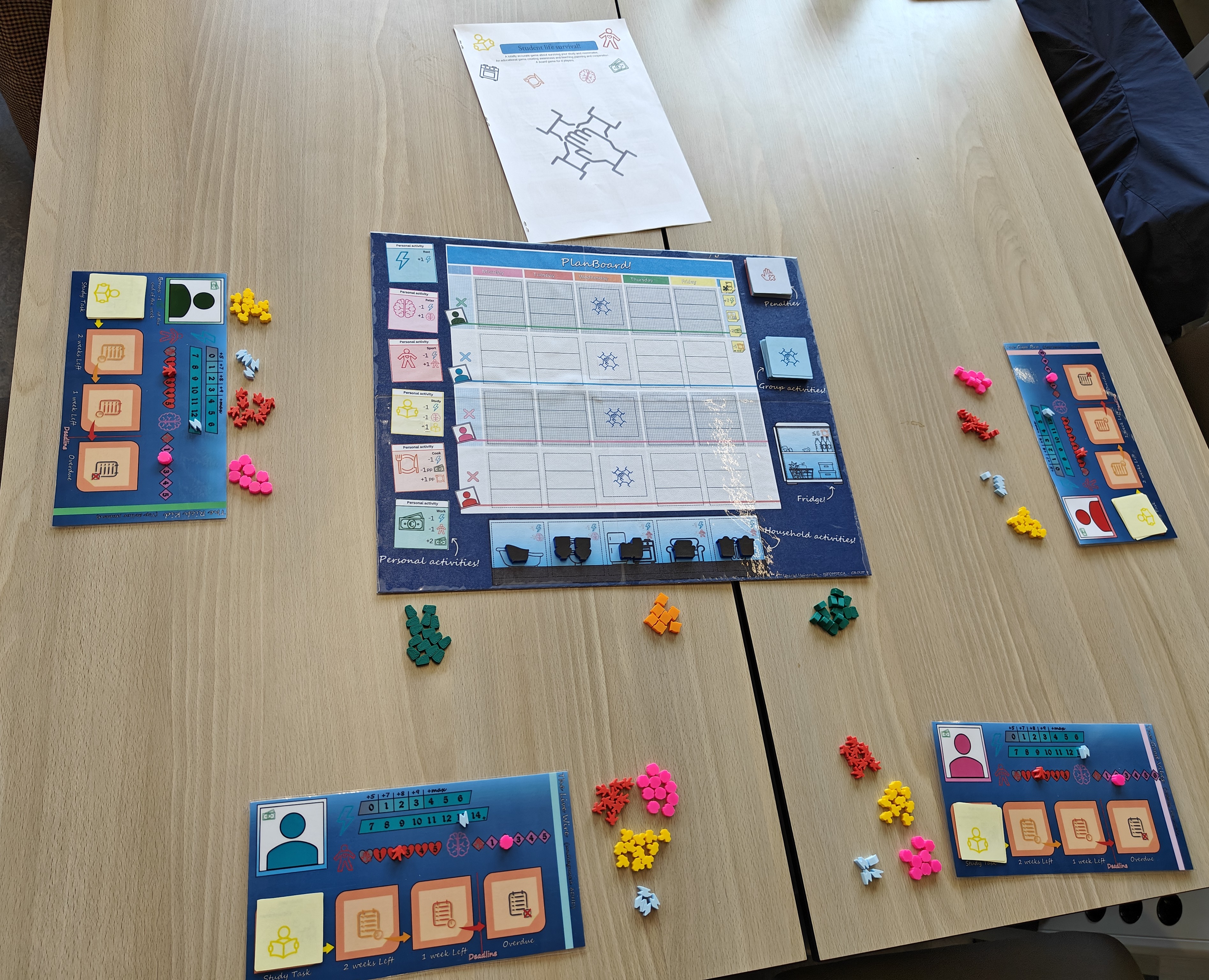
A boardgame made to help first year students with their transition to university life, in particular managing their time and resources in a student housing environment. The game is made to be played in groups of 4-6 players and takes around 45 minutes to play.
In the game the players each have to balance personal and shared tasks such as studying, socialising, cleaning and cooking. However the game is only won when all players are able to pass their course and their final exam while also keeping their living situation manageable.
During a week in the boardgame there is a fixed amount of actions that can be performed. All actions in the game cost energy and in addition either money, brain or body or a combination of all of them. They can refill their energy by resting, working out or engaging in leisure activities.
The activities are modelled after real-life activities and their costs and benefits are based on research on student wellbeing.
HEXED
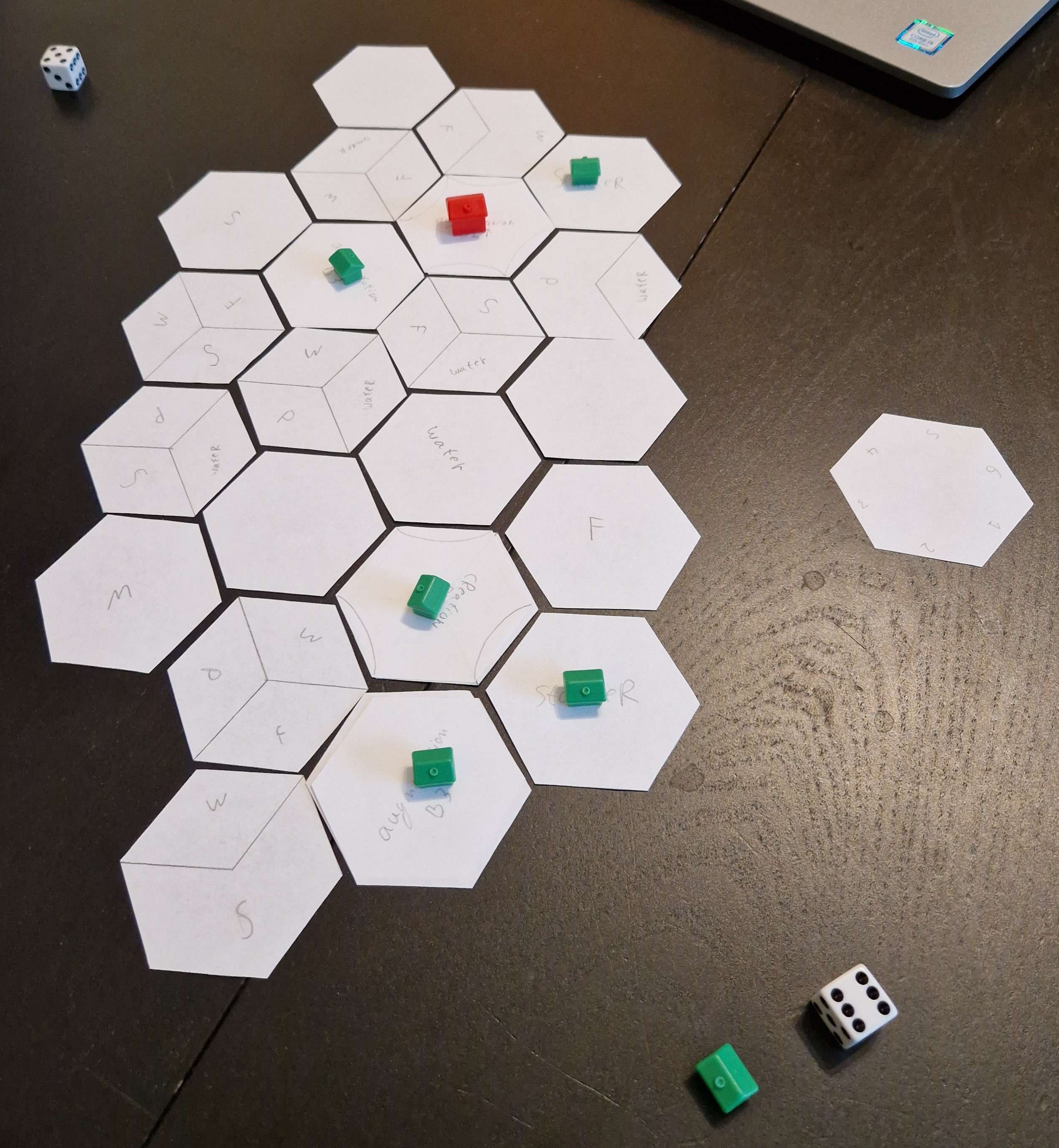
Physical 2-6 player boardgame having the setting of witches and mages competing to become the single ruler of the world. In this world 3 types of magic exits:
Creation, augmentation and Destruction
Players need to explore hexagons and gather resources in a hexagonal world by building structures or using the types of magic to
gain the most victory points. The positioning and rotation of structures is vital for success and can also be sabotaged by others. Each player gets personalised missions that shape the strategy but, beware of the monsters that
lurk in the forests and move around with each round.
Every magic type has a different playstyle
Augmentation is about rotation of hexagons and buildings to get the most out of the synergy of buildings.
Destruction is about exploration and sabotage by completely destroying hexagons
Creation is about gathering of resources and making other buildings stronger
Paper prototype of HEXED
Rhythm Quest
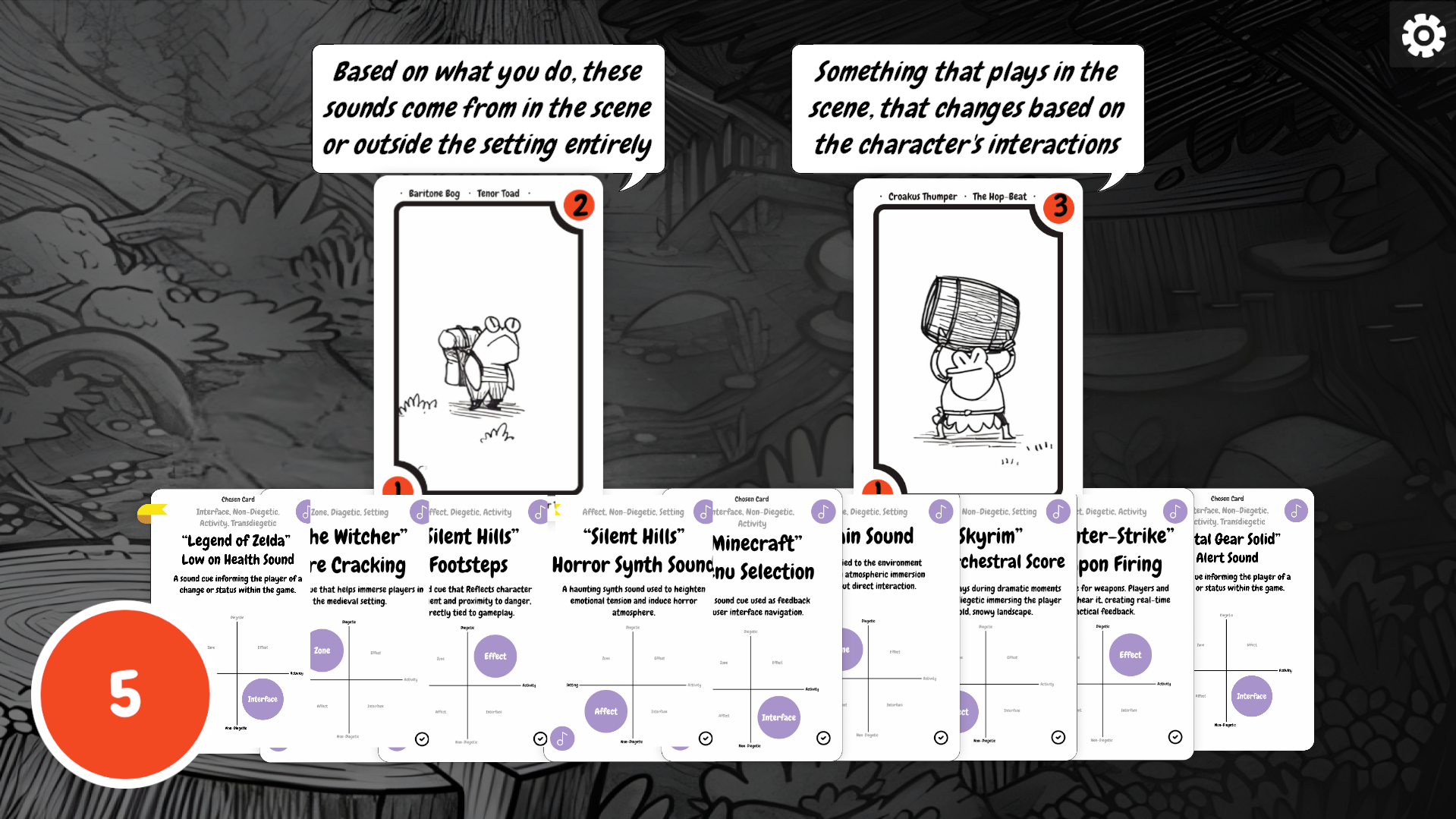
A singleplayer roguelike deckbuilder game made in Unity using Fmod aimed at learning the exam material presented in the course Sound
and Music Technology at Utrecht University. The cards in this game represent sounds with a description and enemies present questions or riddles the player needs to answer using a card.
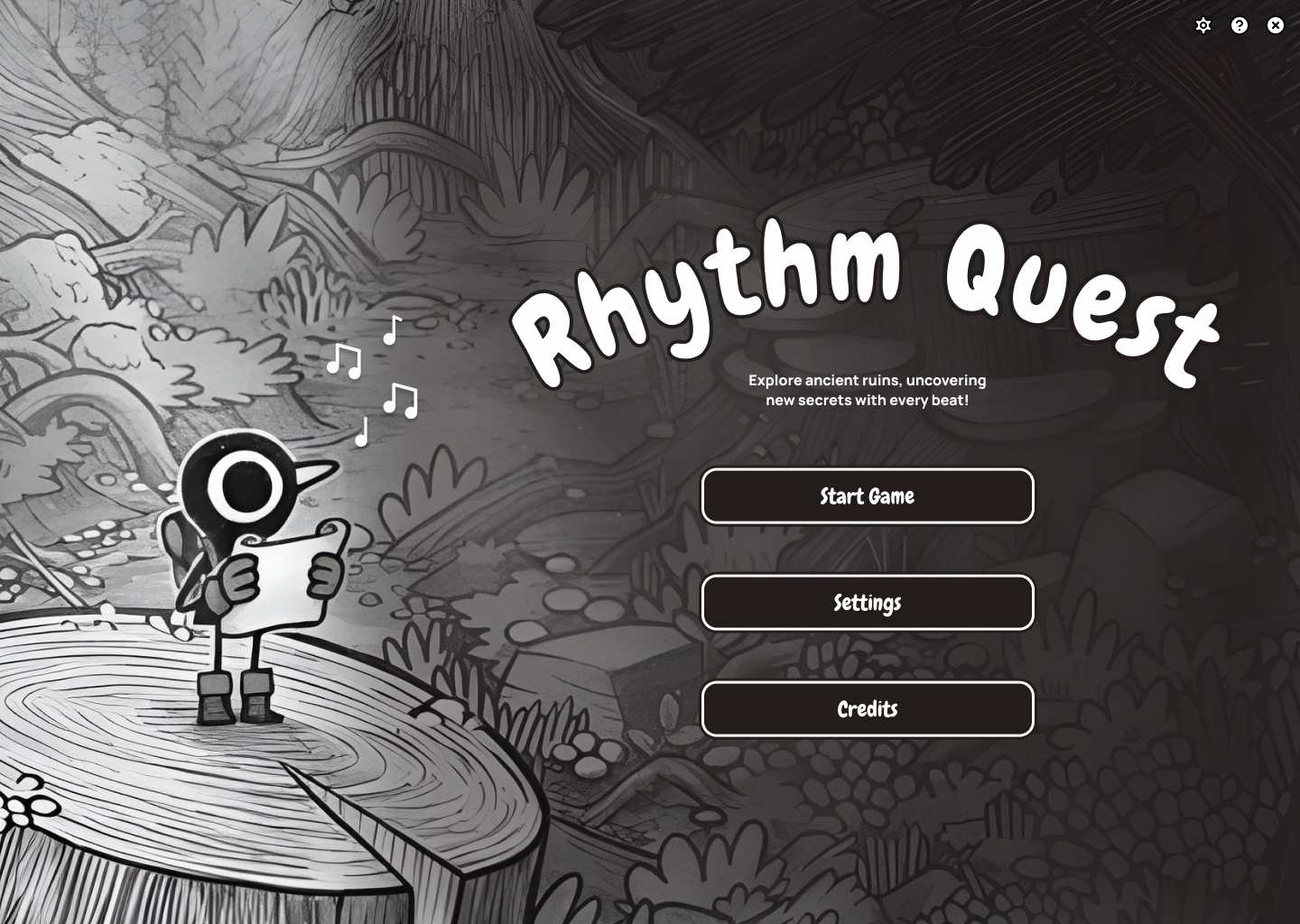
Rhythm quest main menuRhythm quest encounter
Undercooked
A 3D 2 player cooperative game (with controller support) made in Unity with the goal of making the most pizzas under a certain time limit given an endless stream of orders.
Made to analyse and model player behaviour and difficulty of maps in the game. This with the goal of analysing and approximating difficulty of new maps before playtesting.
Made for the course AI for Game technology, Utrecht university.
P's Paradox
An animation made in Blender in 10 weeks using own created mocap data using the motion capture lab at Utrecht University. It follows the life of an innocent soul being the i of the other villagers,
however his life truly changes when a mysterious meteor appears.
Won first place of all projects in the course Computer Animation at Utrecht University.
Untitled boardgame
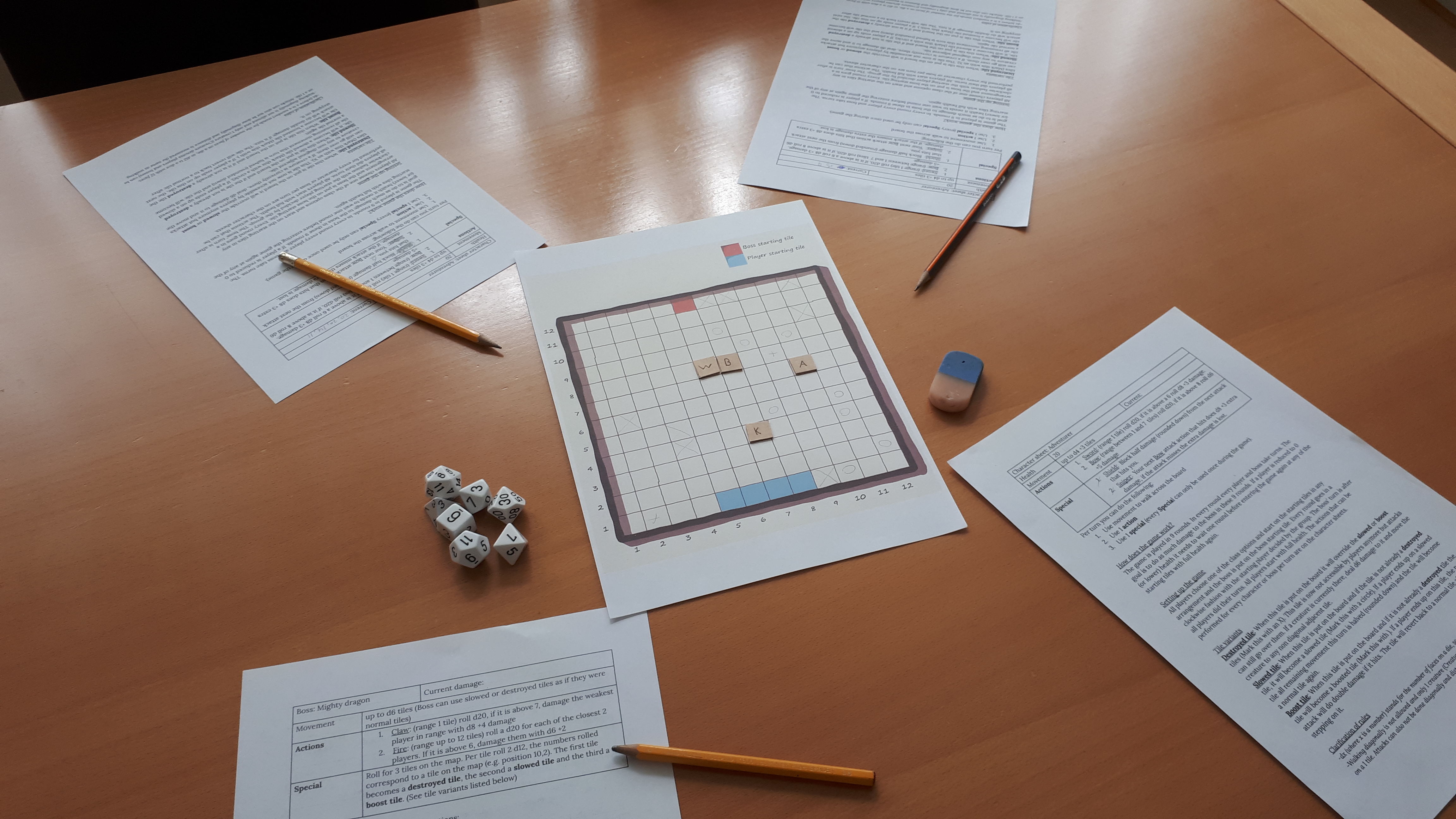
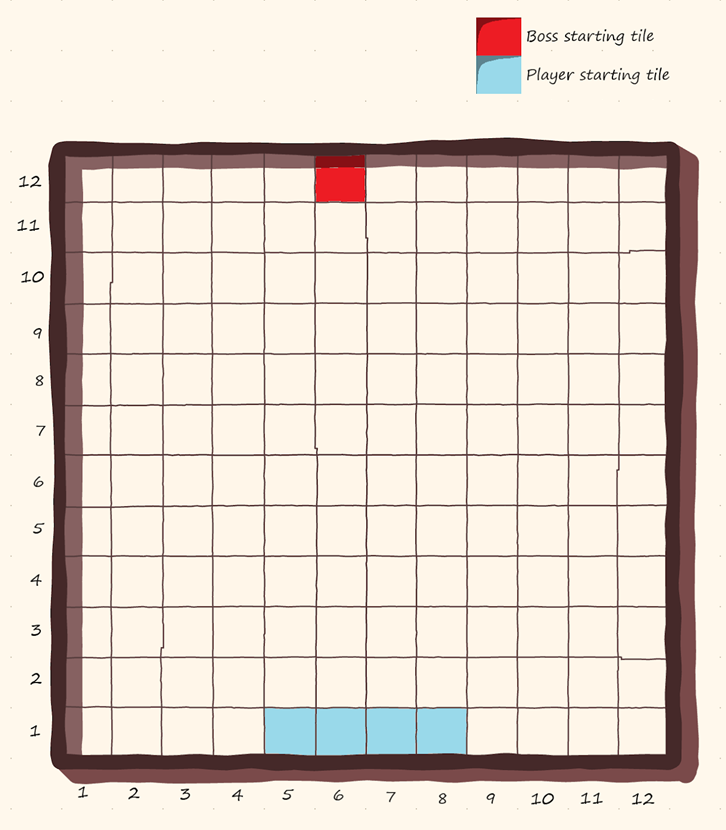
A very simple 4 player bossbattle boardgame made for a user experiment to test augmented reality dice compared to normal and digital dice in a boardgame setting. Made to use
only a pencil, the sheet of the board and anything to indicate the players and boss. The boss (played by the players) will turn more and more tiles on the board into either slowed (halving movement of players) or disabled tiles (can't be walked on anymore) making the game more challenging as time goes on.
Race cars
2 physical build cars with ramps in the front and controlled by an arduino. The cars can be controlled via a website on your phone having full touchscreen controls and settings. Sensors in the cars allow for a variety of
gamemodes and even the option to create your own. For example: capture the flag using sensors detecting colors on the ground and sensors detecting being flipped, button at the back of the car that can be pressed by the other.
Jupyterlab visualisations for SaC
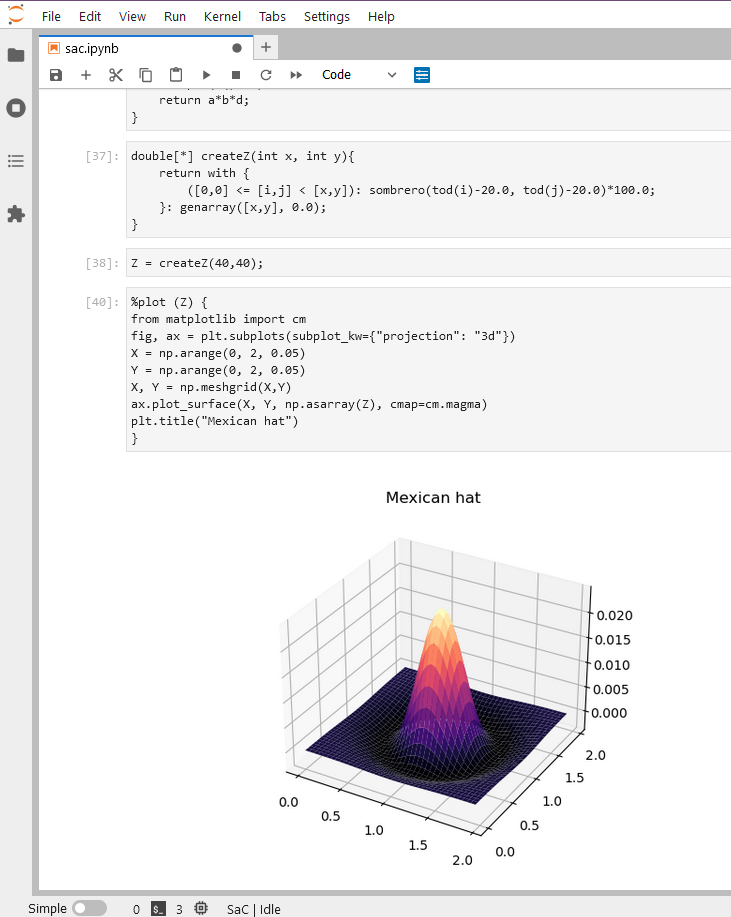
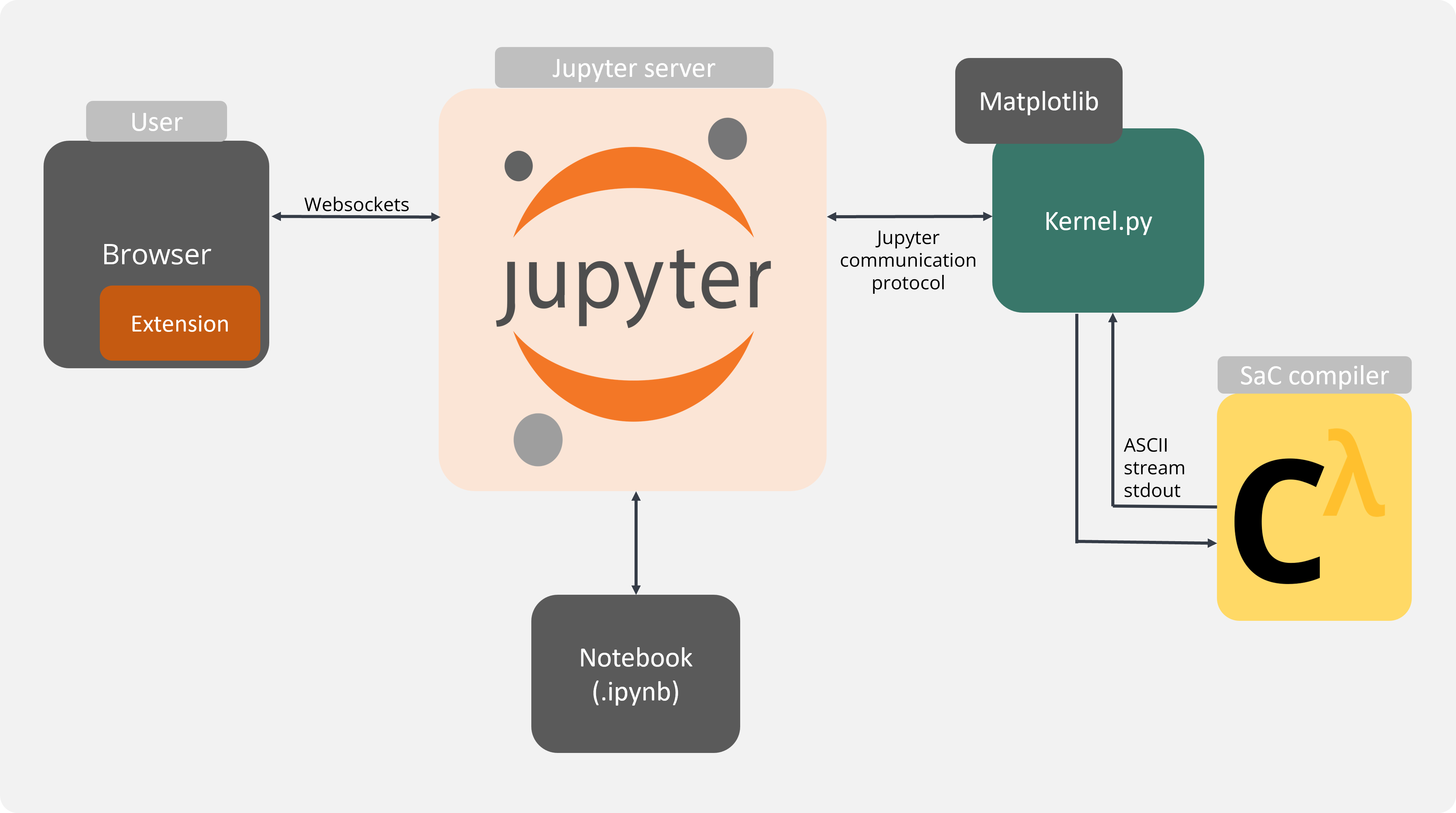
A module that uses the python Matplotlib library to create plots for the Single assignment in C programming language in Jupyterlab by using the auxillary function %plot.
The %plot function has been made to allow for full control of the plots and use the whole matplotlib library while integrating seamlessly with the Jupyterlab environment and previously set variables.
This module was created for teachers and students to aid in learning SaC and visualising data structures, algorithms and concepts.
D&D virtual board
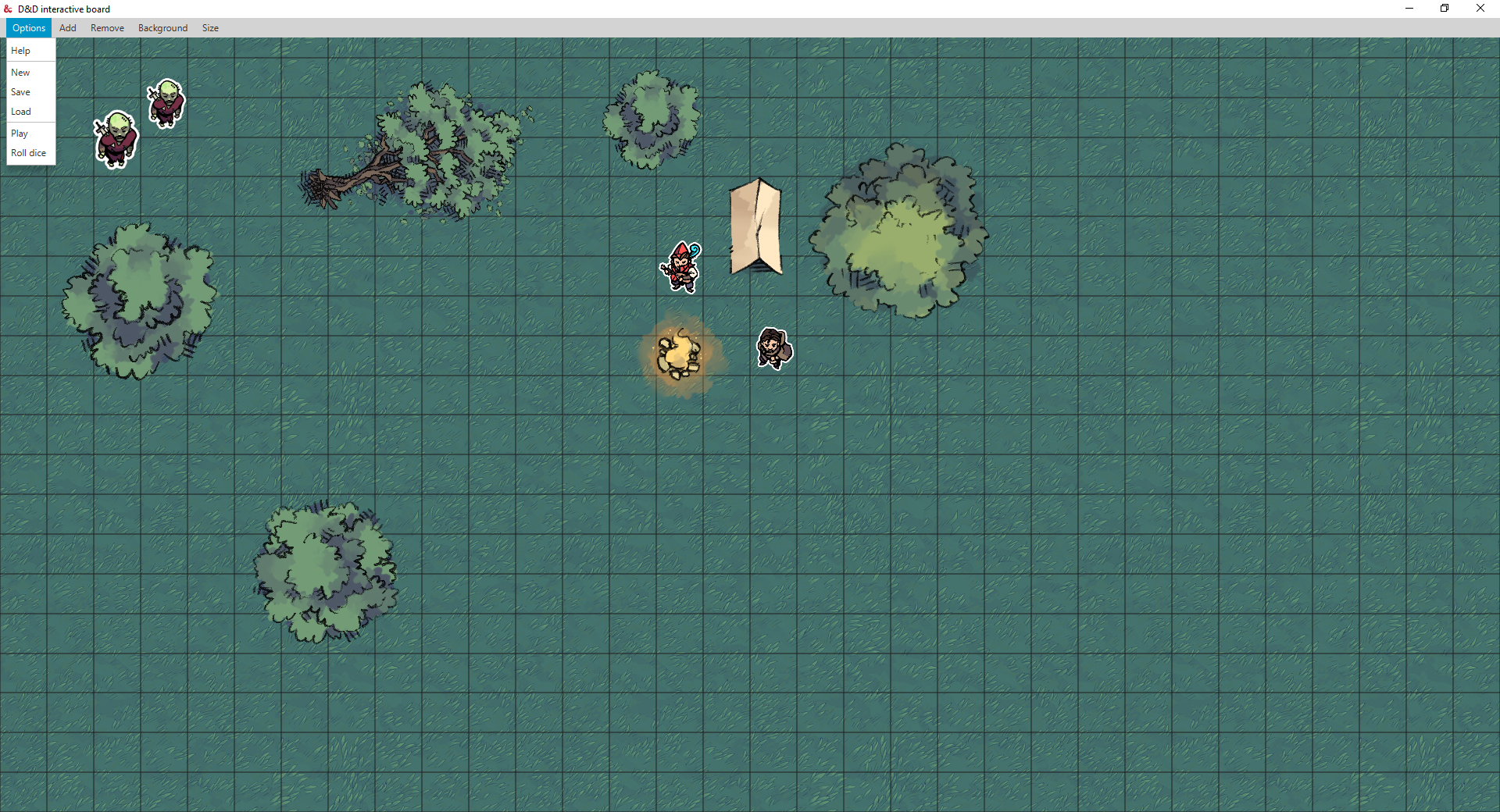
A Java program using JavaFX, that can be used as an interactive play board for role playing games. The user can add their own sprites and move them around the board in a grid pattern.
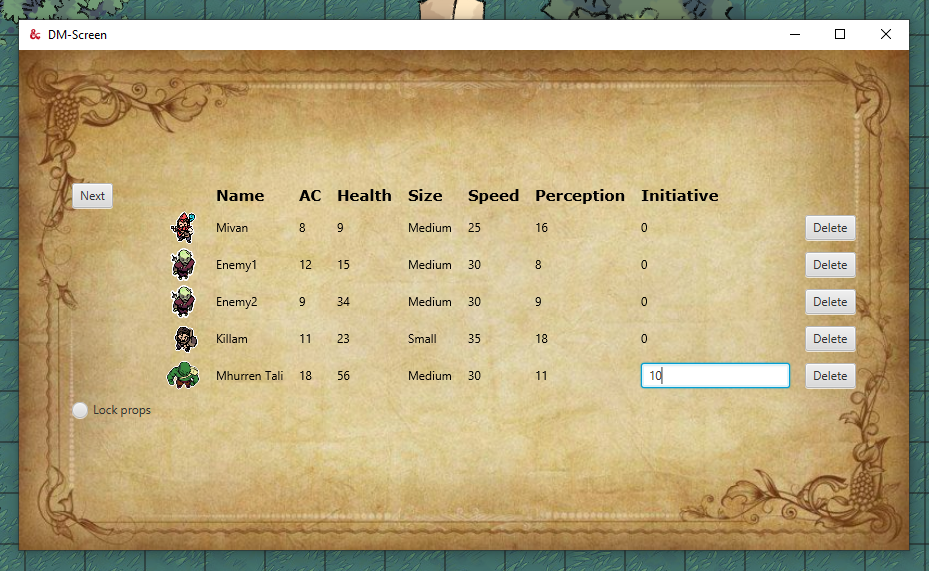
This program also has a screen for the dungeon master to plan and keep track of encounters and turnorder.
Made during the pandemic to be used for the role playing game Dungeons and Dragons.
Language learner
A minimalistic program created in the Godot game engine. It helps with training and memorising words and their meanings, most suitable for learning new languages.
The program offers a versatile experience that the user can edit to create the environment that works best for them.
Optimal planet website
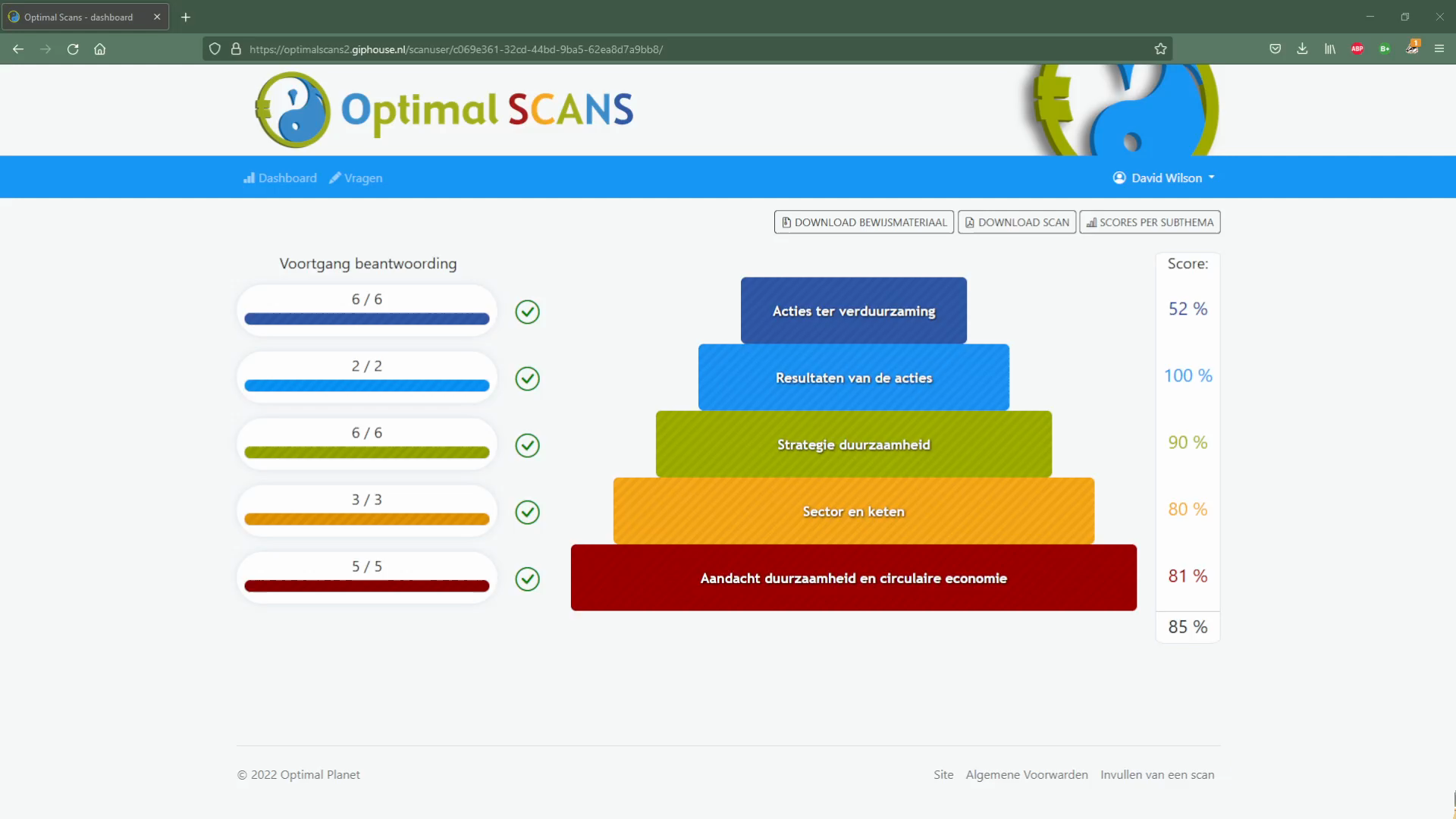
I made the front-end of a Django based website for the optimal planet company from scratch. I was in charge of creating the interactive layout for the website and represent the users in the database and the tasks they completed with all of their scores in a visually appealing way.
I also created the other pages of the website and made sure the website was responsive and accessible.